What is being explored?
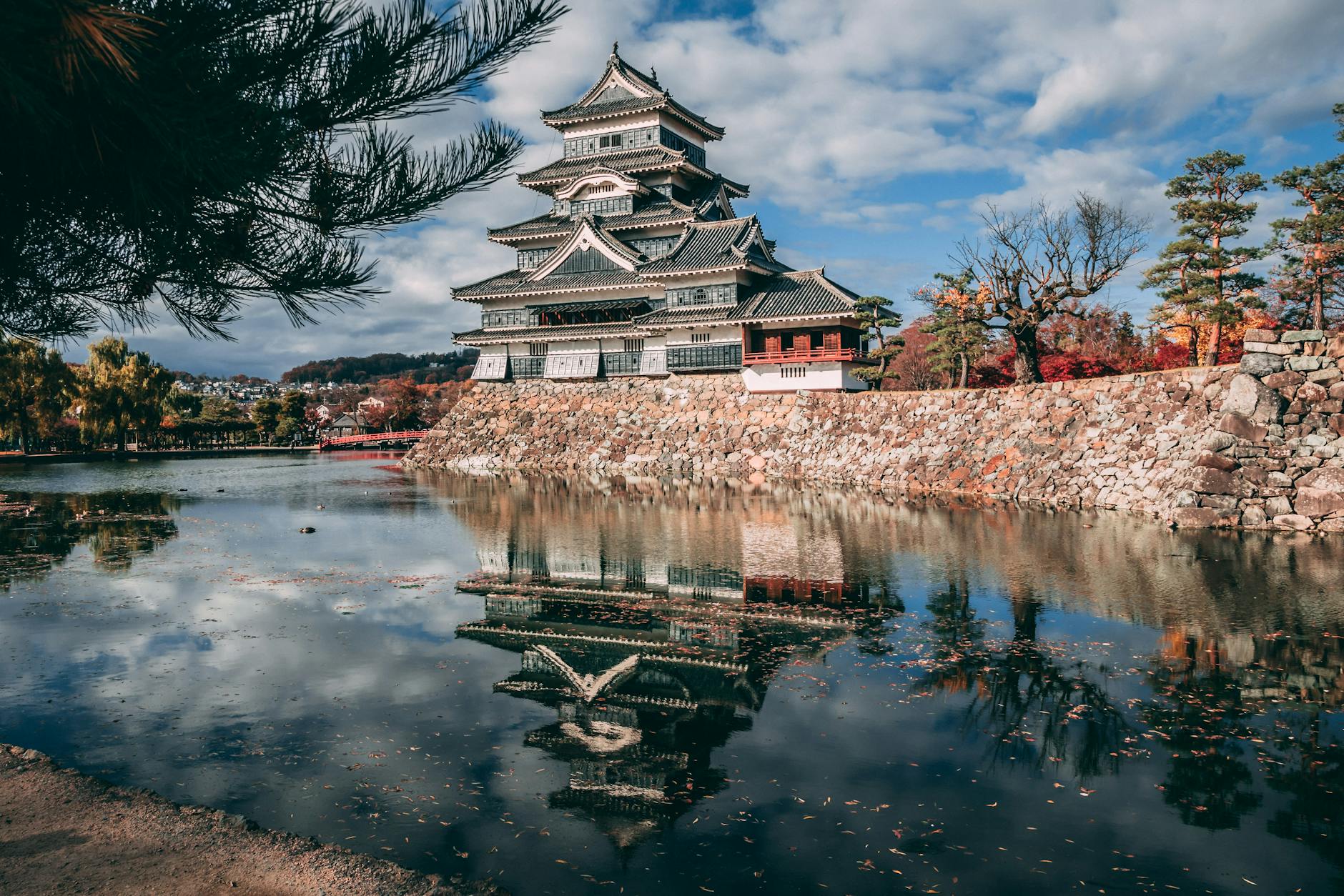
Thesis Statement: How did the forced opening of Japan by Western nations during the Sakoku period affect Japan’s perspective on Christianity today?
To research this thesis, several events that happened before, during, and after the Sakoku period will be examined in chronological order.
First, when did Conficianism enter Japan? How did this religion integrate itself into Japanese society and how did it impact the Japanese way of life?
History tells us that Conficianism gave birth to the Samurai class, which Japanese history proclaims that the time of the Samurai is one of the most prosperous times. How did the Samurai impact Japan in everyday life, political life, and as a warring class?
Current scholarship agrees that the Samurai class, either as a social or political class, is now extinct. What happened to this class? What are some of the downfalls or benefits of this class losing its influential standing?
During the Sakoku period, while the Samurai class was very much alive, the nation closed itself off, for fear of invasion, and/or cultural removal. Before the Sakoku period took place, Catholic and Protestant missionaries made their way to Japan. Were these missionaries with their religion able to integrate themselves into Japanese life as Conficianism had done? Why were so many “Christians” (depending on one’s definition of Christian) killed or exiled? What fear ran the Japanese soul to commit such heinous crimes?
Toward the end of the Sakoku period, the Opium Wars between China and Britain (with France as an ally) broke out. How did the West’s occupation of Eastern territory confirm certain fears the Japanese had long held? How did these fears manifest and affect cultural and religious bias from the Japanese?
Lastly, at the end of the Sakoku period, Commadore Matthew Perry of the U.S. came and forcibly reopened Japan for trade purposes in 1853. How does Perry’s actions compare to earlier Catholic and Protestant missionaries? Do these differences or similarities give hints as to why Japanese Christians in the 21st century are so small?
These questions will be examined throughout this dissertational research. To do this research effectively, a purposeful research methodology must be employed.
Methodology of Research
Since Japan is the primary focus, some knowledge of the language is needed to research Japanese primary and secondary sources. This researcher plans on using one to two summers in Japan for complete linguistic and cultural immersion to regularly practice the language while taking calligraphy courses, as Japanese primary sources may be in old “cursive” or calligraphy style writing. To show proficiency, taking the JLPT (Japanese Language Proficiency Test) will be another step. Primary and secondary sources will be used throughout the research. JSTOR and the Library of Congress will be top locations for both types of sources. This researcher also owns primary and secondary sources that will be analyzed. Another method that will be employed will be interviews with Japanese Christians. These interviews look to show the Japanese spirit (how do the Japanese first approach Christianity?) and how difficult it is to live out the Christian life within Japan, even with freedom of religion.
Below is a video to show you some aspects of Japanese art, as the saying goes “a picture speaks a thousand words.”
Credentials
BA in Science in Integrated Ministry Studies:
– Focus on religions and how different religions interact with each other
-Courses include: New Testament and Old Testament history, literature, and theology; Bible courses from 100-400 level; Systematic Theology
MA in TESOL (Teaching English to Speakers of Other Languages):
– Explore how languages interact with culture, ethical issues within Christianity’s integration into other cultures, and the change of culture/language through history
-Courses include: Moral/Spiritual issues in TESOL; Culture, Identity, and Trust; Introduction to Second Language Acquisition
Executive certificate in History and PhD canidate
– Examines historic events, analyzes how historical methods are used, and creates simulations to practice such methods
– Courses include: Development of Western Freedoms; French and Napoleonic Wars; Historiography; Historical Methods; Local History Research; and Historical Professions
Historical Categories
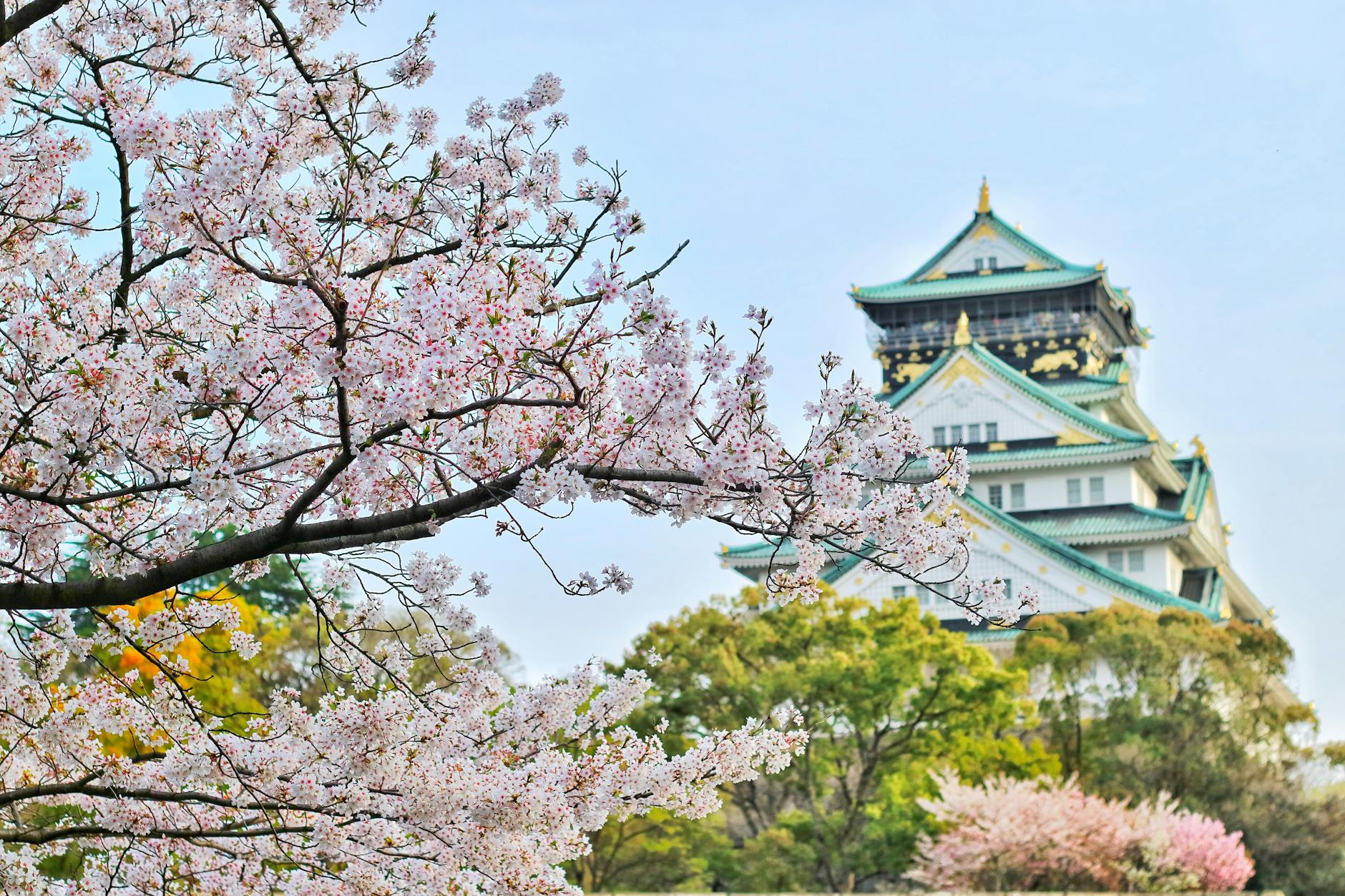
Categories that will be researched include religious history, both broadly, as this thesis will trace Luther’s Reformation and the Catholic response, and more specificically, religions that have impacted Japan and Christianity within Japan. Military history when researching the Opium Wars and civil wars within Japan. Political history between different political decisions within the Japanese government. Cultural history, exploring the difference between European cultures and Eastern cultures. Lastly, geographical history examines how and when the West and the East were divided and how this impacted the start of land conquered for religious reasons.
 Japan
Japan 
Leave a comment